Huang Jing extract
Polysaccharides are one of the main active components in Huang Jing. They possess antioxidant, immune-modulating, and anti-inflammatory properties, which can enhance the immune system and improve immune function.
Saponins found in Huang Jing also have certain health benefits. They exhibit antioxidant, anti-inflammatory, hypoglycemic, and lipid-lowering effects, which are beneficial for cardiovascular health and metabolic syndrome.
The alkaloids present in Huang Jing have antimicrobial and antiviral properties, contributing to immune enhancement and protecting overall health.
Additionally, the flavonoids in Huang Jing have antioxidant, anti-inflammatory, and anticancer effects, providing cellular protection against free radical damage and inflammation.
Due to the characteristics of these active compounds, Huang Jing extract is widely used in health supplements to provide antioxidant, immune-modulating, and cardiovascular health benefits. However, as with any health supplement ingredient, it is important to carefully read the product labels and instructions before use, and follow the manufacturer's recommendations and dosage guidelines. If you have any health concerns or questions, it is advisable to consult a doctor or healthcare professional.
As a dietary supplement ingredient, Huang Jing extract has several potential benefits and effects, but it may also have some potential drawbacks. Here are some common benefits and effects of Huang Jing extract as well as possible drawbacks:
Benefits and Effects:
- Immune Regulation: Huang Jing extract is believed to contain polysaccharides and other active components that can help regulate the immune system, enhance immune function, and improve immune response.
- Antioxidant Properties: Huang Jing extract is rich in antioxidants, such as flavonoids, which can help reduce oxidative damage caused by free radicals and protect cells from oxidative stress.
- Cardiovascular Health: The saponin components in Huang Jing extract are believed to be beneficial for cardiovascular health. They may help lower blood lipid levels, regulate blood sugar levels, and exhibit anti-inflammatory effects, contributing to a healthy cardiovascular system.
- Antimicrobial and Antiviral Effects: Huang Jing extract contains alkaloids that have the potential for antimicrobial and antiviral activities. They may help boost the immune system and protect overall health.
Potential Drawbacks:
- Individual Variations: People may have different responses to Huang Jing extract due to variations in individual sensitivity and reactions to different herbs and components.
- Risk of Overconsumption: While Huang Jing is generally considered a relatively safe herbal ingredient, consuming excessive amounts or exceeding the recommended dosage may lead to adverse reactions or side effects, such as gastrointestinal discomfort or allergic reactions.
- Drug Interactions: Huang Jing extract may interact with certain medications. Therefore, it is advisable to consult a doctor or pharmacist before using Huang Jing extract, especially if taking other medications or having specific health conditions.
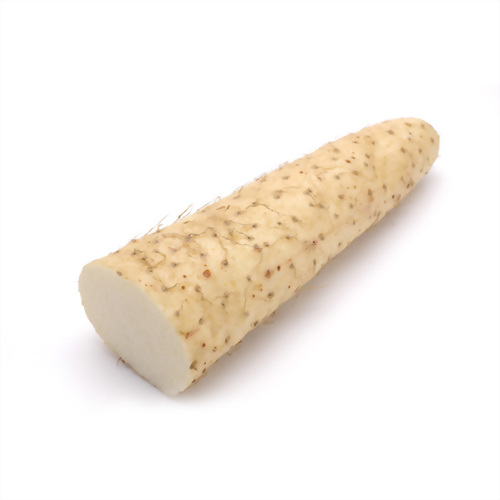
[Physical characteristics and source Polygonatum is the dried root of Polygonatum kiianm Coll.et Hem Polygonatum sibiricmRed. Polygonatum sibiricm Red. According to different shapes, they are commonly called Rhizoma Polygonatum, Chicken Head Polygonatum and Shaped Polygonatum. Rhizoma Rhizoma Rhizoma Rhizoma Rhizoma Rhizoma Rhizoma Rhizoma Rhizoma Rhizome is produced in Yunnan, Guizhou, Guangxi and other places. It is in the shape of hypertrophic fleshy nodules. The length of the nodules can reach more than 10 cm, the width is 3-6 cm and the thickness is 2-3 cm: the surface is light yellow to yellow, Links, with fibrous root scars: the inverted stem scars on the nodules are disc-shaped, hard and tough, not easy to break, broken corners, light yellow to brown: sweet, sticky to chew. Chicken Ruihuangjing, produced in Hebei, Neigu, etc., is nodular and curved, long
10 cm, 0.5-15 cm in diameter, 2 cm long nodules, slightly conical, often branched: yellowish white or grayish yellow, transparent, with round stem scars, Polygonatum polyflora, in Hunan, Guizhou , Yunnan and other places, in the shape of nodules, varying in length, often connected, grayish yellow or yellowish brown in surface, rough, with prominent disc-shaped pad marks on the upper side of the nodules, 8 to 15 cm in diameter, and those with a bitter taste are not medicinal. The characteristics are available as a reference: the chicken head or shape, the joints are raised and the rings are displayed. The disc with stem scars is deeply sunken, and the color of the cross section is generally excavated in spring and autumn, washed, boiled in boiling water or steamed until the heart is penetrated, dried, and cut into thick slices.
【Efficacy overview】
Polygonatum has a history of more than 2,000 years of use, and "Famous Doctors Bielu" lists it as the top grade, thinking that Polygonatum, flat, non-toxic, mainly tonifies the middle and replenishing qi, removes wind and luster, calms the five, and takes a long time to lighten the body and prolong life without hunger. Ancient books of all dynasties have always used Polygonatum as a tonic, and Li Shizhen once praised it as a "treasure medicine". Rhizoma Polygonatum is flat in nature and mild in taste, enters the spleen, lung, and kidney meridians, has the functions of nourishing the lungs, nourishing yin and promoting body fluid, and is often used to treat spleen and stomach Qi deficiency; fatigue, dry mouth, thirst, cough, cough and post-illness, postpartum body, essence lack of blood. [Allusions and Comments from Famous Artists of Past Dynasties] In ancient China, there were many legends about Huang Jing. "Baopuzi" once said: "The ancients used this product to obtain the spirit of the earth and the earth, so it was named after the heaven and the earth." Some people say that Huang Jing is derived from the meaning of "yellow essence". There are not many two kinds of theories, both of which are about absorbing the natural world. You Xuan's "Ji Shen Lu" records: There was a rich man in Linchuan, Jiangxi, who was sexually brutal and often abused his family. One of the family was skinned and fled into the mountains. After a period of time, all the dry food she brought was eaten up, and she sat by the stream in the midst of hunger and fatigue. Suddenly, she found that the weeds by the water were bright in color, plump and lovely, so she picked them and washed them to eat. After eating, the hunger and thirst will disappear, the mind will be refreshed, and the body will be as light as a swallow. At night when she was resting under the big tree, she heard a voice in the grass, thinking that a wild animal was going to kill her, so she got up and jumped onto the tree, and jumped off at dawn, and she fell down freely. A few years later, she was caught by someone else, and after careful questioning, she found out that she had been eating Huang Jing for food, and that's why she practiced such a skill. "Bielu of Famous Doctors": "Major invigorating the middle and nourishing qi, removing rheumatism, and calming the five internal organs." Food keeps the face." "Compendium of Materia Medica": "Replenishes all deficiencies, relieves cold and heat, and fills the essence." "Materia Medica Congxin": "Replenishing qi and blood and moistening."
[Medical value] Polygonatum contains protein, starch, reducing sugar, various inorganic salts, amino acids, vitamins and various active ingredients. It has a wide range of functions and is used in the treatment of various diseases. Modern pharmacological studies have shown that Polygonatum has the following pharmacological effects; Hypoglycemia: Polygonatum has a strong production effect on 9-glucose activity, and Polygonatum water extract can enhance the expression of glucose transporter (GLUT4) gene in insulin-resistant rats, thereby Play a role in lowering blood sugar. Lowering blood fat: Studies have shown that oral administration of Polygonatum decoction can significantly reduce the concentration of triglyceride, B-lipoprotein, and blood cholesterol in rabbits. Old: Rhizoma Polygonatum and Rhizoma Polygonatum and the flavonoids contained in it can promote protein synthesis and reduce the content of lipids, thereby enhancing the anti-lipid peroxidation ability, enhancing SD activity, reducing the damage of the body caused by wax, and thus playing a role in delaying aging role. Anti-inflammation and anti-pathogenic microorganisms: Rhizoma Polygonatum has a strong inhibitory effect on Staphylococcus aureus, Bacillus paratyphi, Escherichia coli and Staphylococcus albus, and can inhibit mouse ear swelling caused by xylene. Improving memory ability: Polygonatum ethanol extract can improve brain metabolic changes caused by cerebral ischemia, and reduce oxygen free radical damage through the generation of lipase peroxide MDA, thereby protecting the brain cell membrane structure and maintaining normal brain function . The effect on cardiovascular: the cardiotonic in sealwort is a body saponin compound with cardiotonic effect, and it can also significantly increase the blood flow of coronary artery
It is written in "Natural History": "The grass of the sun is called Polygonatum, and if it is eaten as bait, it can grow." In addition to the effect of strengthening the spleen and nourishing the lungs, Polygonatum also has a more prominent role in health care and prevention. . As a kind of good edible plant, Polygonatum Polygonatum has been included in " not only food but also product item list" by the former Ministry of Health of China. You can heat sweet porridge with millet: you can share it with chicken, which has the effect of nourishing blood; you can also make tea with wolfberry: or warm a pot at night in winter, which also has the effect of promoting blood circulation and warming the body. Simultaneously, Polygonatum anti-aging, anti-inflammation, antibacterial function are also quite favored by people, and are widely used in hair care products. The pure natural Chinese herbal health care cosmetics developed by refining, such as shower gel, cleansing essence, hair conditioner, Wufabao, beriberi lotion, facial mask, ointment, liniment, etc., are also very popular. 1 Polygonatum can be cooked with millet, rice and other grains to make rice porridge, which is nutritious and nourishing. It is very effective in treating diseases such as yin deficiency and dryness of the lungs, cough and dry throat, and weak spleen and stomach. Soaked hair and rock sugar are fried together to make rock sugar Polygonatum. Taking this soup can nourish yin and moisten the heart and lungs. If you are weak, or have tuberculosis, bronchiectasis, low-grade fever, hemoptysis and other diseases, as well as women with low-grade fever and diarrhea, you can take this diet therapy to improve your symptoms. 3 Polygonatum can also be used to stew meat such as chicken and pork belly, which can regulate the spleen and stomach, moisten the intestines and laxative, and is very beneficial for those with weak spleen and stomach, eating less stool, and being thin and weak. 4. The sealwort wine made from sealwort bubble wine has the effect of benefiting skin, removing black hair, and moistening blood dryness. It is suitable for diseases such as facial swelling, dry and white hair, dry and itchy skin, heart insomnia, and rheumatism pain. Appropriate drinking in winter can promote blood circulation and warm the body, and prolong life.