


Can health food be eaten together? Eating on time is more effective
In such situations, using health supplements to supplement nutrition is a good choice. However, it is also important to understand the timing of taking health supplements. How to properly combine health supplements is crucial for optimal effects on a healthy diet. Therefore, this article will provide a complete guide on using health supplements, including suitable timing, to give you a clear understanding!
Can dietary supplements be taken together?
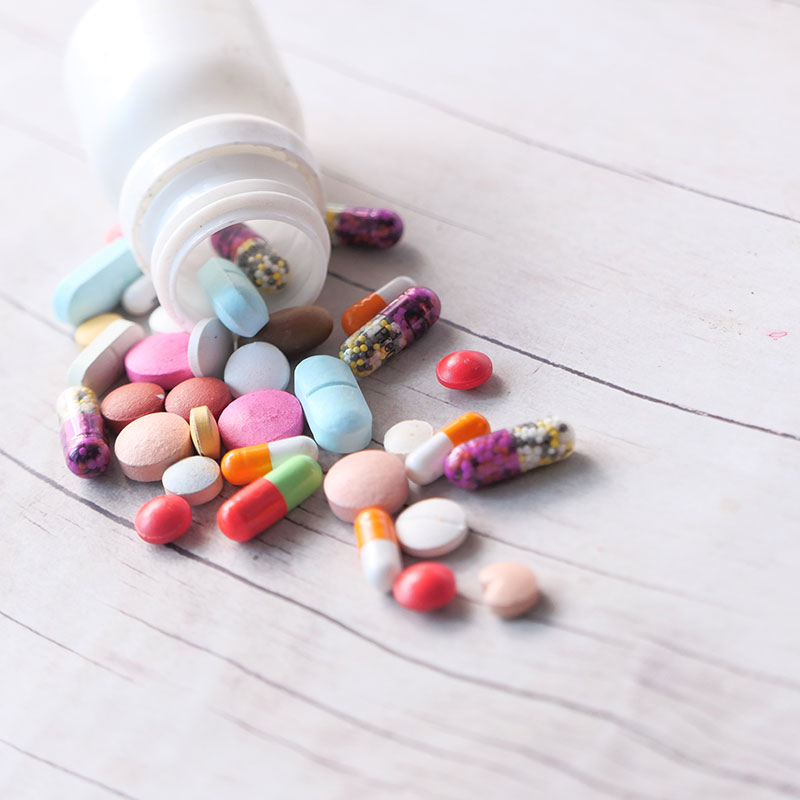 Dietary supplements can be taken together, but it is important to exercise moderation and consider their compatibility. Excessive intake of supplements can lead to nutrient overload or increased strain on the body. Additionally, different supplements may contain similar ingredients, and taking excessive amounts of the same nutrients through multiple supplements can result in unnecessary duplication.
For example, let's say you want to boost your body's antioxidant capacity and you decide to take both vitamin C and grape seed extract as dietary supplements. Both of these supplements possess antioxidant properties, but excessive intake may cause digestive issues or other discomfort. In such cases, you can choose one of the supplements or consult with a healthcare professional to ensure appropriate intake.
Before taking dietary supplements, it is advisable to assess your individual nutritional needs and overall health status. If you have specific nutrient deficiencies or health concerns, it is best to seek guidance from a healthcare provider or registered dietitian to determine the appropriate types and dosages of supplements. By taking supplements in moderation and in a sensible manner, you can better maintain your overall health.
The best time to take health supplements depends on their ingredients and the desired effects. Here are some common health supplements and their recommended timing:
-
Vitamin C:
It is best taken during breakfast or on an empty stomach to enhance the immune system and facilitate iron absorption.
-
Calcium supplements:
It is recommended to take them after a meal or during dinner since stomach acid production is higher at this time, aiding in calcium absorption.
-
Magnesium supplements:
It is best taken before bedtime as magnesium helps relax the body and promote sleep.
-
Iron supplements:
It is advisable to take them before or during meals, preferably with foods rich in vitamin C, to enhance iron absorption.
-
Protein powder:
It is best consumed within 30 minutes after exercise to aid in muscle repair and recovery.
-
Probiotics:
It is recommended to take them after meals to provide a conducive gut environment and digestive support.
-
Coenzyme Q10:
It is best taken in the morning or earlier in the day to provide energy and antioxidant benefits.
-
Multivitamin supplements:
It is advisable to take them after meals to enhance vitamin absorption and utilization.
-
Grape seed extract:
It is best taken during meals to increase antioxidant capacity and promote cardiovascular health.
-
Fish oil:
It is recommended to take it after meals to facilitate the absorption of fatty acids present in fish oil.
Here are 10 examples of combinations of health supplements that can be taken together:
-
Calcium supplement + Vitamin D:
Calcium supplements are beneficial for bone health, and Vitamin D helps with the absorption and utilization of calcium.
-
Iron supplement + Vitamin C:
Iron supplements aid in the synthesis of hemoglobin, and Vitamin C enhances iron absorption.
-
Grape seed extract + Vitamin E:
Grape seed extract is rich in antioxidants, and Vitamin E is a powerful antioxidant as well. Taking them together can synergistically enhance the antioxidant effects.
-
Probiotics + Prebiotics:
Probiotics and prebiotics contribute to a healthy gut by maintaining a balanced gut microbiota.
-
Fish oil + Coenzyme Q10:
Fish oil is a source of Omega-3 fatty acids, and Coenzyme Q10 supports heart health. Taking them together provides complementary benefits.
-
Collagen supplement + Vitamin C:
Collagen is beneficial for skin elasticity and joint health, and Vitamin C aids in collagen synthesis.
-
Folic acid supplement + Vitamin B12:
Folic acid and Vitamin B12 are essential for red blood cell formation and nervous system function. Taking them together improves absorption and utilization.
-
Anthocyanins supplement + Carotenoids:
Anthocyanins and carotenoids are potent antioxidants. Consuming them together helps maintain cellular health.
-
High-fiber foods + Enzyme supplements:
High-fiber foods aid in digestion and regular bowel movements, while enzyme supplements assist in digestion and optimal nutrient absorption.
-
Aloe vera extract + Propolis:
Aloe vera extract promotes digestion and immune system health, while propolis possesses antibacterial and anti-inflammatory properties. Taking them together supports overall well-being.
Please note that these are just examples of combinations, and it's important to consider individual health needs and seek professional advice before combining health supplements.
Here are 10 examples of combinations of health supplements that should not be taken together:
-
High-iron foods + Calcium supplements:
High-iron foods can interfere with the absorption of calcium, so it's best to avoid taking them together.
-
Fish oil + Anticoagulants:
Fish oil has anticoagulant properties and taking it with anticoagulants may increase the risk of bleeding.
-
Ginkgo biloba extract + Anticoagulants:
Ginkgo biloba extract has anticoagulant effects, and taking it with anticoagulants can increase the risk of bleeding.
-
Vitamin K + Anticoagulants:
Vitamin K promotes blood clotting, so taking it with anticoagulants may reduce the effectiveness of the medication.
-
Antioxidants + Chemotherapy drugs:
Some antioxidants may interfere with the effectiveness of chemotherapy drugs, so they should be avoided together.
-
Grapefruit + Certain medications:
Grapefruit can interfere with the metabolism of certain medications, leading to either higher or lower drug concentrations. It's best to consult with a doctor to determine which medications can be safely taken with grapefruit.
-
Vitamin E + Anticoagulants:
Vitamin E has anticoagulant properties, and taking it with anticoagulants may increase the risk of bleeding.
-
High-fiber foods + Certain medications:
Certain high-fiber foods may interfere with the absorption of certain medications, so they should be avoided together.
-
Soy isoflavones + Certain estrogen medications:
Soy isoflavones have estrogenic activity and taking them with certain estrogen medications may affect the effectiveness of the medication.
-
Certain herbal supplements + Anticoagulants:
Certain herbal supplements have anticoagulant effects, and taking them with anticoagulants may increase the risk of bleeding.