Vegetable and fruit enzymes
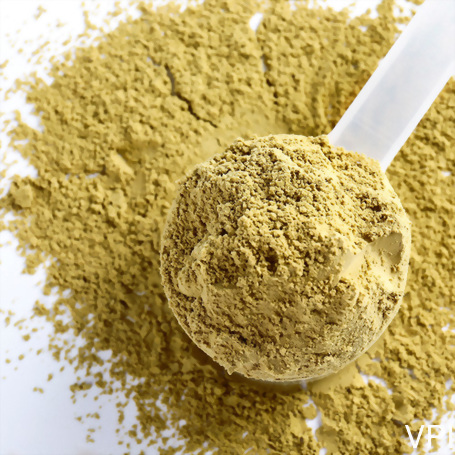
Health food development | Women. smooth feeling formula Food raw materials: various vegetable and fruit enzymes, customized according to your favorite taste Applicable dosage forms: instant powder, capsule, lozenge Efficacy:
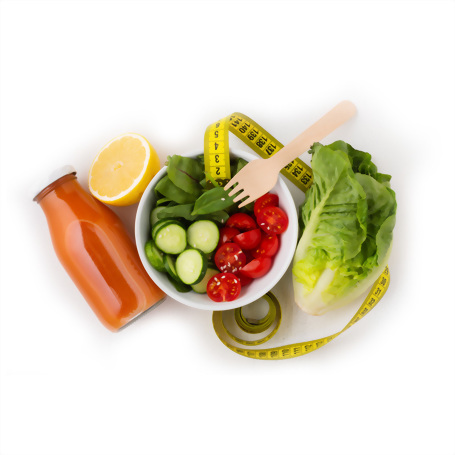
Vegetable and fruit enzymes refer to a type of natural enzymes, which mainly exist in fresh vegetables, fruits and fermented foods. These enzymes can help the body digest food, regulate the balance of intestinal flora, enhance immunity, etc., and have many health benefits.
The following are the effects of long-term consumption of fruit and vegetable enzymes and some related medical reports:
Promote digestion:
Vegetable and fruit enzymes can help the body digest food, especially protein and starch, thereby reducing the burden on the gastrointestinal tract and preventing indigestion and constipation. A 2019 study showed that enzyme supplementation significantly improved gastrointestinal motility and GI symptoms, and reduced constipation and abdominal discomfort.
Improve intestinal health:
Vegetable and fruit enzymes can promote the balance of intestinal flora, increase the number of beneficial bacteria, inhibit the reproduction of harmful bacteria, and improve intestinal health. A 2017 study found that vegetable and fruit enzymes can improve the structure and function of intestinal flora in the elderly, improve immunity, and reduce the risk of chronic diseases.
Improving immunity:
Vegetable and fruit enzymes can promote the function of the immune system and improve the immunity of the human body. A 2018 study showed that vegetable and fruit enzymes can significantly improve the immunity of mice, increasing the number of lymphocytes and immunoglobulins.
Antioxidant:
Vegetable and fruit enzymes have a certain antioxidant effect, which can scavenge free radicals and prevent cell damage and aging. A 2016 study found that vegetable and fruit enzymes can reduce oxidative damage and improve antioxidant capacity in the liver of rats.
Reduce inflammation:
The potential role of fruit and vegetable enzymes in reducing inflammation is now being actively investigated. A 2020 study found that white radish enzymes can reduce the inflammatory response in rats, reduce the expression of related proteins, and further prevent the occurrence of chronic diseases. Additionally, another 2019 study found that grapefruit enzymes can inhibit the growth of gut bacteria and reduce intestinal inflammation in humans. The results of these studies suggest that fruit and vegetable enzymes may be an effective anti-inflammatory food ingredient.
In addition to reducing inflammation, fruit and vegetable enzymes are also believed to help reduce indigestion and gastrointestinal problems, improve immune system function, improve skin health, and aid in weight management. However, more research is needed to verify these potential efficacy.
It should be noted that vegetable and fruit enzymes are not suitable for everyone. Certain people may be allergic or have adverse reactions to certain fruit and vegetable enzymes. Therefore, before consuming vegetable and fruit enzymes, you should consult a doctor or a nutritionist to determine the appropriate amount and type of consumption.
In addition to the studies mentioned above, there are other studies that have also explored the potential effects of fruit and vegetable enzymes. For example, a study published in The Journal of Nutrition found that papain can help reduce gut inflammation. In addition, a study published in "Bioscience, Biotechnology, and Biochemistry" showed that broccoli enzymes can promote intestinal health.
The health food raw materials of the women's smooth feeling formula include not only vegetable and fruit enzymes, but also some other common ingredients. The following are some common health food ingredients of the women's smooth feeling formula: Green pepper, pepper, garlic:
rich in dietary fiber and natural antibiotics, can promote intestinal peristalsis, prevent constipation and intestinal infection.
Sunflower seeds and pumpkin seeds:
rich in unsaturated fatty acids and dietary fiber, which can promote intestinal peristalsis and prevent constipation.
Sesame, pine nuts, walnuts:
rich in dietary fiber, unsaturated fatty acids and calcium, which can promote intestinal peristalsis, prevent constipation, and help protect intestinal health.
Kelp and seaweed:
rich in dietary fiber and alginate, can promote intestinal peristalsis, increase intestinal volume, and prevent constipation.
Green vegetables such as spinach, celery, and broccoli:
rich in dietary fiber and vitamins, can promote intestinal peristalsis and improve constipation.
Apples, pears, grapefruits, persimmons and other fruits:
rich in dietary fiber and pectin, which can increase intestinal volume and peristalsis, and promote stool excretion.
Whole grain foods such as wheat bran, brown rice, and oats:
rich in dietary fiber, minerals and vitamins, can promote intestinal peristalsis, prevent constipation, and help lower cholesterol and blood sugar.
Soy foods:
such as tofu, soy milk, mung beans, black beans, etc., are rich in dietary fiber and protein, can promote intestinal peristalsis, prevent constipation, and help regulate blood sugar and blood lipids.
Yogurt and yogurt:
rich in probiotics and lactic acid bacteria, which can regulate the balance of intestinal flora, promote intestinal health, and prevent intestinal infection and gastrointestinal discomfort.
Probiotics, lactic acid bacteria and other probiotic health food:
can increase the number of beneficial bacteria in the intestinal tract, inhibit the growth of harmful bacteria, promote intestinal health, and prevent constipation and gastrointestinal discomfort.
Eggs, milk, fish and other protein-rich foods:
can help the muscles and nervous system function normally, promote intestinal peristalsis, and prevent constipation.
Jerusalem artichoke, onions, bananas and other foods containing fungal stems and pectin:
can increase intestinal volume and peristalsis, promote stool excretion, and prevent constipation.
Ginger, hawthorn, tangerine peel and other traditional Chinese medicine ingredients:
have the effect of promoting intestinal peristalsis, improving gastrointestinal discomfort and constipation.
Foods rich in vitamin C and antioxidants, such as rose hips, almonds, and blackcurrants:
can promote intestinal health, increase intestinal resistance, and prevent intestinal infection and inflammation.
Honey, pollen and other natural honey foods:
rich in enzymes and dietary fiber, can promote intestinal peristalsis, prevent constipation and gastrointestinal discomfort.
Foods rich in phytoestrogens such as grape seeds and soybean isoflavones:
can promote intestinal health in women and prevent intestinal diseases and inflammation.
Green tea, black tea and other tea drinks:
rich in tea polyphenols and caffeine, which can promote intestinal peristalsis, prevent constipation and gastrointestinal discomfort, and also help anti-oxidation and cancer prevention.
Grapes:
Rich in flavonoids and polyphenols, they can promote intestinal health, resist oxidation, and prevent intestinal diseases and inflammation.
Seaweed, kelp and other seaweed foods:
rich in dietary fiber and minerals, can promote intestinal health and prevent constipation and intestinal diseases.
Soy products such as tofu and soy milk:
rich in dietary fiber and phytoestrogens, which can promote intestinal health and prevent intestinal diseases and inflammation.
Avocado: Rich in dietary fiber and monounsaturated fatty acids, it can promote intestinal health and prevent constipation and intestinal diseases.
Coarse grains such as barley and oats:
rich in dietary fiber and trace elements, can promote intestinal health and prevent constipation and intestinal diseases.
Sesame, walnut and other nuts:
rich in monounsaturated fatty acids and plant protein, which can promote intestinal health and prevent constipation and intestinal diseases.
Fruits containing fruit acid such as apples and grapefruits:
can promote intestinal peristalsis, prevent constipation and gastrointestinal discomfort, and also have the effect of promoting digestion and preventing intestinal diseases.
Bird's nest:
Bird's nest is a food rich in collagen and amino acids, which can promote intestinal health, increase intestinal resistance, and prevent intestinal infection and disease.
Pumpkin:
Pumpkin is rich in dietary fiber and vitamin A, which can promote intestinal health and prevent constipation and intestinal diseases.
Carrots:
Carrots are rich in dietary fiber and β-carotene, which can promote intestinal health and prevent constipation and intestinal diseases.
Mango:
Mango is rich in dietary fiber and vitamin C, which can promote intestinal health and prevent constipation and intestinal diseases.
Longan:
Longan is rich in iron and vitamin B complex, which can promote intestinal health and prevent constipation and intestinal diseases.
Eggs:
Eggs are rich in protein and B vitamins, which can promote intestinal health and prevent constipation and intestinal diseases.
In addition to the above-mentioned health food raw materials for women's smooth feeling formula, there are many other raw materials on the market that can be used to make health food. The exact number varies with market demand, manufacturing techniques and the constant emergence of new technologies.
Feminine health food usually includes a variety of nutrients, the following are some common feminine health food ingredients: Calcium: Women are prone to osteoporosis, and calcium is an important nutrient for building bones. Iron: Women are prone to anemia during menstruation, so they need an appropriate amount of iron. Folic acid: Pregnant women need additional intake of folic acid in early pregnancy to help the developing nervous system of the fetus. Vitamin D: Aids in the absorption of calcium and helps prevent osteoporosis and other bone problems. Vitamin E: Antioxidant, helps protect cells from free radical damage. Collagen: An important building block of skin and connective tissue, it helps maintain skin elasticity and moisture levels. Soy Isoflavones: have estrogen-like effects and help relieve menopausal symptoms. Probiotics: Good for gut health, helps improve digestive function and immune system. Of course, the raw materials contained in different brands and types of women's health food will also be different. When purchasing and using women's health food, you should choose health food and raw materials that suit you according to your health status and nutritional needs. It is best to consult a professional doctor or nutritionist for advice before purchasing and using.